
How to Choose a Retail Fit-Out Contractor
The right retail fit-out contractor is not simply the lowest headline quotation or the company with the longest brand list. The stronger choice is the team that understands the scope, exposes assumptions, coordinates interfaces and can show relevant evidence for the project you are actually delivering.
Use this guide to compare contractors for a new store, refurbishment, fixture package or multi-location programme in Singapore or Malaysia.
Define the Project Before Comparing Contractors
A tender cannot produce comparable answers if the bidders are pricing different responsibilities. Before inviting proposals, prepare a clear project summary covering:
- Location, store size and project type
- Design status and appointed consultants
- Required fit-out, fixture, services and installation scope
- Target opening date and known access restrictions
- Landlord, brand and consultant approval responsibilities
- Drawings, specifications and bill of quantities available for pricing
- Items supplied directly by the brand or another contractor
If important information is missing, ask bidders to state their assumptions in a consistent format. Hidden assumptions create false price comparisons.
Eight Areas to Evaluate
| Area | What to examine | Useful evidence |
|---|---|---|
| Relevant experience | Similar retail format, market, scope and complexity | Project records with location and responsibility clearly described |
| Scope clarity | Inclusions, exclusions, provisional items and interfaces | Written scope matrix and marked-up tender queries |
| Buildability | Ability to identify unresolved details before site work | Coordination examples, technical queries and sample process |
| Programme | Decision dates, procurement, production and site sequence | Logic-based programme with dependencies, not only a completion date |
| Production | How fixtures and specialist components will be produced and controlled | Relevant facility, supplier, sample and quality-control information |
| Site management | Access, supervision, coordination, completion and rectification | Proposed team structure and reporting method |
| Commercial control | Change process, valuation basis and documentation | Clear variation and approval workflow |
| Handover | Snagging, close-out information and aftercare responsibilities | Defined completion criteria and close-out deliverables |
Compare the Scope Before the Total
Place each proposal against the same scope headings. A lower total may exclude work that another bidder has included, use a provisional allowance where another has fixed the scope, or assume a different material and installation method.
Create a comparison sheet with separate rows for:
- Preliminaries, supervision and site management
- Demolition or existing-condition work where applicable
- Partitions, finishes, ceilings, flooring and doors where included
- Joinery, fixtures, metalwork, glass and signage interfaces
- Electrical, lighting, mechanical or specialist services where included
- Protection, delivery, access and working restrictions
- Testing, completion, snagging and handover
- Provisional sums, exclusions and client-supplied items
Ask bidders to resolve material differences before appointment. Do not wait until construction to discover that the proposals were never comparable.
Questions That Reveal How the Team Works
What information do you need before confirming the price and programme?
A credible answer identifies drawings, site data, approvals, material decisions, access information and responsibility gaps. A promise made without inputs is difficult to rely on.
Which details present the greatest buildability or procurement risk?
This shows whether the contractor has engaged with the actual design rather than only measured quantities.
How will design changes be recorded and approved?
Look for a practical method connecting the change, revised information, commercial effect, programme effect and approval.
Who will manage the project day to day?
Meet or review the proposed delivery team, not only the business-development contact. Confirm reporting lines and decision authority.
How will completion and defects be closed?
Ask what constitutes practical completion for the agreed scope, how snagging is recorded and what close-out information will be provided.
Warning Signs During Tender Review
- A short lump-sum proposal with no clear scope or exclusions
- A programme that shows dates but no approvals, procurement or dependencies
- Brand names presented without location, date or contracted scope
- Major material or detail changes hidden inside a pricing note
- Provisional allowances used for packages that should be defined
- No named delivery contact or explanation of site management
- Unqualified guarantees made before site and design information are reviewed
A Simple Decision Scorecard
Weight the criteria according to the project rather than assigning every category the same importance. For example, a short mall programme may place more weight on access planning and approvals, while a fixture rollout may place more weight on revision control, production and logistics.
Score evidence, not presentation quality. Record the reason for each score and list the conditions that must be resolved before appointment.
Where James King Group Fits
James King Group connects design coordination, fit-out construction and production for retail projects across Singapore and Malaysia. Review our retail services, published project portfolio, Singapore fit-out page and Malaysia fit-out page.
We recommend applying the same evidence and scope tests to James King Group that you apply to every bidder.
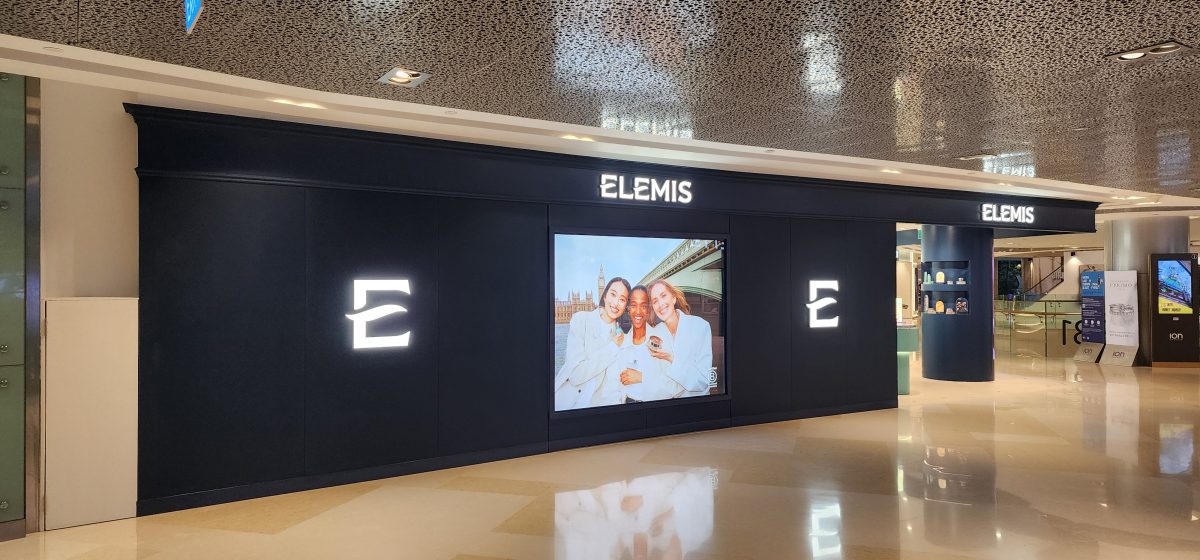
Review Completed Work, Not Claims Alone
Discuss a Retail Fit-Out Tender
Send the location, design package, scope, tender information and target opening date. Our team can review the available information and identify the clarifications needed for a useful proposal.